Facts about Joshua trees: Mojave Desert Icons
Facts about Joshua trees start right outside the doors of CopperGround Homes in Joshua Tree, California. From our Pueblo Canyon retreat, we see these twisted, spiky trees each sunrise and sunset. In this blog, we'll share key facts about Joshua trees, explain why they matter, and show how staying with us makes every moment among these desert giants even more special.
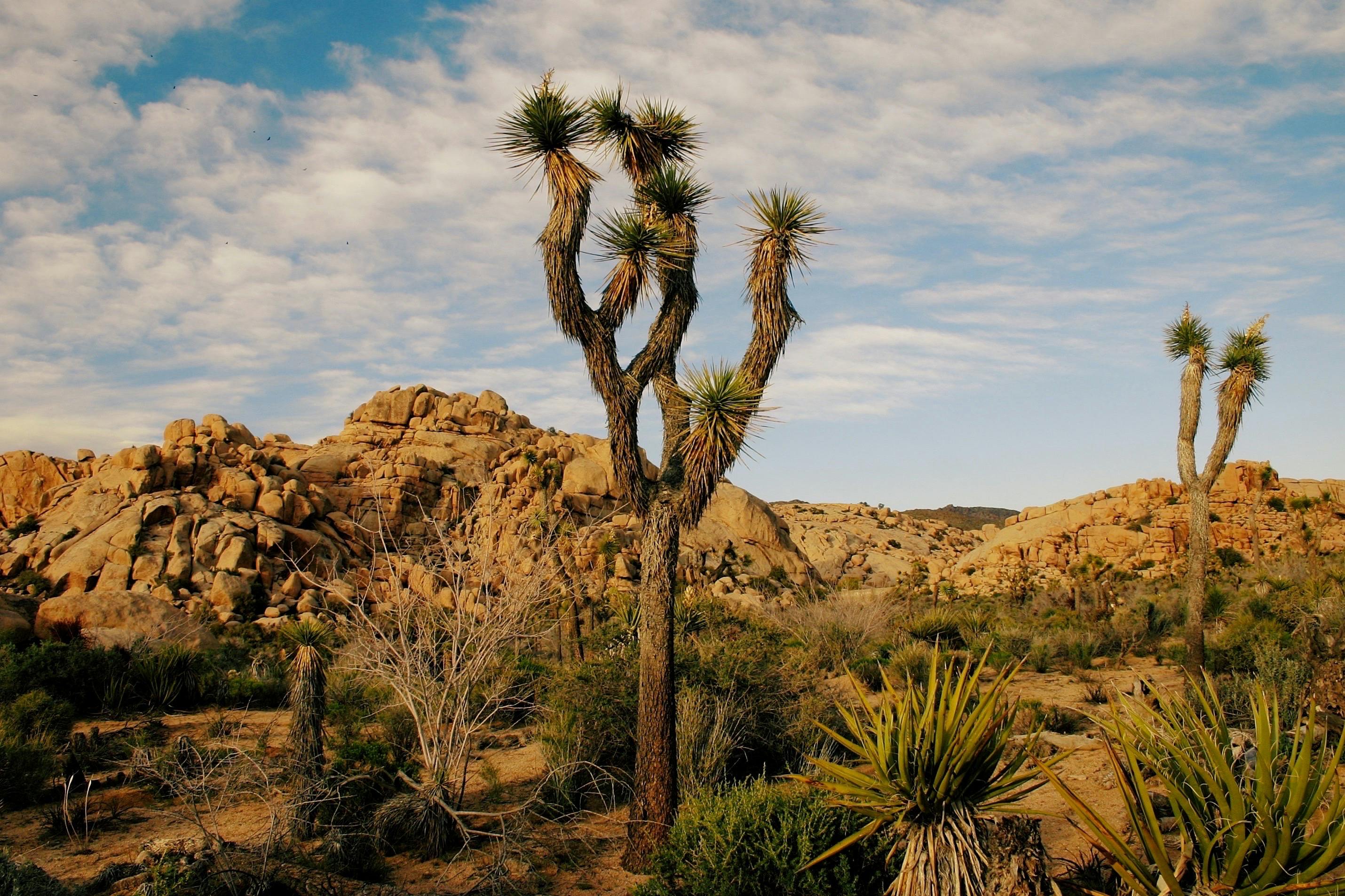
Table of Contents
Desert Wonders: Joshua Tree Facts
1. Yucca brevifolia: The True Name
These iconic plants are not ordinary trees—they’re Yucca brevifolia, a unique species in the Agave family. Scientists once called them a giant lily, but DNA tests placed them alongside California fan palm (Washingtonia filifera) as a monocot. You might also hear them called tree yucca or palm tree yucca.
Part of the Agave family, not a pine or oak
Monocotyledon group, like grasses and orchids
Once misclassified as a giant lily
As the sun rises over CopperGround Homes, you’ll spot their distinctive form against the sky.
2. Not a Tree but a Succulent Sculpture
With their twisted, spiky trees look, Joshua trees appear to come from a Dr. Seuss book. In reality, they’re desert succulents that store water in thick trunks. Their clusters of spiky leaves end in sharp dagger-like spines, making each branch a work of art and a caution to passersby!
Succulent structure, not true wood
Sharp, serrated edges for protection
Twisting branches that mimic desert sculptures
When you step out onto our patio, you’re steps away from these natural works of art.
3. Slow Growth, Hidden Years
Joshua trees grow slowly—about ½ inch to 3 inches per year after the first few years. They don’t form growth rings, so scientists estimate age by height estimation. A tree reaching even 20 feet could be well over 100 years old!
Germination is rare; many seeds never sprout
Dormancy period during extreme heat or drought
No annual growth rings makes dating difficult
Linger by our fire pit at Pueblo Canyon and watch these giants grow inch by inch over decades.
4. Blooming Rarity and Yucca Moth Allies
Each spring, under the right mix of rainfall and a crisp winter freeze, Joshua trees send up clusters of creamy-white flower buds. Their sole pollinator is the yucca moth, in a perfect mutualistic symbiotic relationship. The moth lays eggs in the blooms, and while larvae eat some seeds, enough remain for seed dispersal and new seedlings.
Blooms appear mid-February to April after cold nights
Yucca moth lays eggs and spreads pollen
Some trees never bloom and stay single-trunked
At CopperGround Homes, we time our guest arrivals to catch the rare desert bloom.
5. Regrowth After Floods and Fires
Joshua trees can sprout from buried rhizomes after damage. This ability helps them survive floods and wildfires. Even if branches burn, new shoots can emerge, making them true desert survivors.
Underground rhizomes spread and sprout new stems
Quick recovery after wildfire or flash flood
A key to their resilience in harsh conditions
Walk our nearby trails after a storm to see new green shoots among burned limbs.
6. A Desert Home for Wildlife
These spiky giants offer vital nesting sites and shelter for many creatures. Look for:
Scott’s oriole building nests among leaves
Wood rats under protective fallen fronds
Desert night lizards hiding beneath logs
Various invertebrates in bark crevices
Stay at our Pueblo Canyon home and you could spot orioles at dawn right from your window.
7. Native Roots and Many Names
Long before settlers, the Cahuilla people called Joshua trees “hunuvat chiy’a” or “humwichawa.” They wove fibrous threads from leaves into baskets and sandals, and ate roasted flower buds and seeds. These trees were tools, food, and shelter for desert communities.
Names reflect deep Native American ties
Leaves used for baskets and sandals
Seeds and buds as emergency food
CopperGround Homes honors this heritage in every guest welcome guide.
8. Where They Grow: Beyond the Park
Joshua trees thrive in elevations between 400 and 1,800 m across the Mojave Desert. You’ll spot them near Queen Valley and Lost Horse Valley in Joshua Tree National Park, but also alongside saguaros in the Sonoran Desert or in the San Bernardino Mountains. They even appear in northwestern Mexico.
Native to California, Arizona, Utah, Nevada, and Mexico
Key spots: Queen Valley, Lost Horse Valley
See them on the Joshua Tree Parkway of Arizona or at Saddleback Butte State Park
Walk or drive just minutes from our CopperGround Casa for desert views in every direction.
9. Facing Climate Change and Protection
Joshua trees need a cold dormancy period to bloom. Rising winter temperatures threaten their range. Under the California Desert Protection Act, many areas are safeguarded, but experts warn of up to 90% range loss by 2100 without action.
Climate shifts can halt flowering
Threats: wildfires, invasive grasses, poor seed dispersal
Protected under state and federal desert acts
CopperGround Homes supports local conservation and shares the latest research with our guests.
10. How to Tell from the Mojave Yucca
Joshua trees are often confused with the Mojave yucca. Key differences:
Joshua tree leaves lack long fibrous threads
Single thick trunk vs. multi-trunk shrub
Mojave yucca leaves are broader with obvious fibers
During your stay, we’ll point out each difference on a guided stroll around Pueblo Canyon.
Insider Tips from CopperGround Homes
Staying at CopperGround Homes puts you steps from Joshua Tree National Park. Here are our desert insider tips:
Best bloom time: Plan visits after a cool winter freeze—mid-March to early April.
Golden hour views: Watch silhouettes of spiky leaves from our Pueblo Canyon deck at sunrise and sunset.
Stargazing: Joshua Tree is an official Dark Sky Park. Bring a blanket and step outside to see the Milky Way.
Local guide: Check out our Explore Joshua Tree guide for top trails like Hidden Valley and Keys View.
Pack layers: Desert days can be warm, but nights cool fast—especially after a winter freeze.
As your desert basecamp, CopperGround Homes provides local maps, binoculars, and coffee to start every morning right.
Conclusion
From its true name Yucca brevifolia to its rare blooms and moth partnerships, the Joshua tree is a marvel of desert life. Staying at CopperGround Homes in Pueblo Canyon brings you face-to-face with these twisted, spiky trees, offering sunrise views, wildlife sightings, and starlit nights you’ll never forget. Ready to explore these desert giants? Book your stay now at CopperGround Homes and immerse yourself in Joshua Tree’s living sculptures.
Frequently Asked Questions
What are three interesting facts about Joshua tree?
Joshua trees grow very slowly—only about ½ to 3 inches per year. They depend on a special mutualistic symbiotic relationship with the yucca moth to bloom and set seeds. And though called a tree, they are actually a succulent in the Agave family.
How old are the Joshua trees?
Scientists estimate age by height estimation since Joshua trees lack growth rings. Larger specimens over 30 feet tall may be 150–300 years old, but exact ages remain a desert mystery.
What are 10 facts about trees?
Trees are the longest living organisms on Earth.
Joshua trees are succulents, not true trees.
Joshua trees form no growth rings.
They use water storage in fibrous trunks.
Pollination by yucca moths is a unique mutualism.
They recover from floods and wildfires via rhizomes.
Provide habitat for orioles, wood rats, and lizards.
Found at 400–1,800 m in Mojave and Sonoran deserts.
Native names include hunuvat chiy’a (Cahuilla).
Protected under the California Desert Protection Act.
How long can Joshua tree live?
On average, Joshua trees live around 150 years, though some may survive over 300 years in ideal desert conditions.
How tall do they grow?
Most Joshua trees reach up to 40 feet tall. A select few giants exceed 50 feet, often found in less-trodden areas like Covington Flats.
Are Joshua trees actually trees?
They fit the general shape of a tree but are technically a succulent monocot (Yucca brevifolia) related to lilies and palms, storing water in thick fibrous trunks.
Can I learn more about hiking among Joshua trees?
Yes! Check our Explore Joshua Tree guide for family-friendly hikes, hidden valleys, and top viewpoints around our CopperGround Homes retreat.